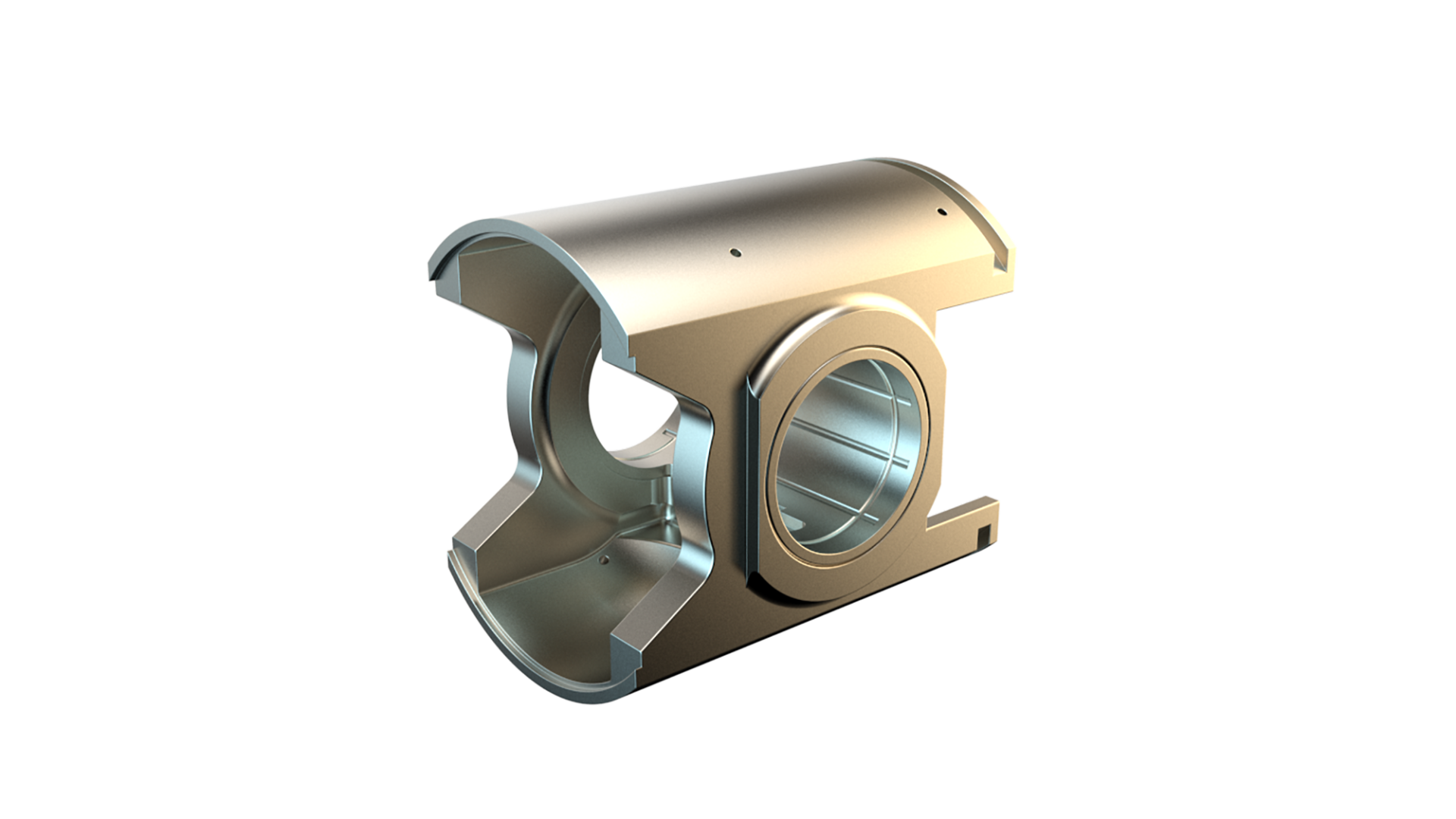

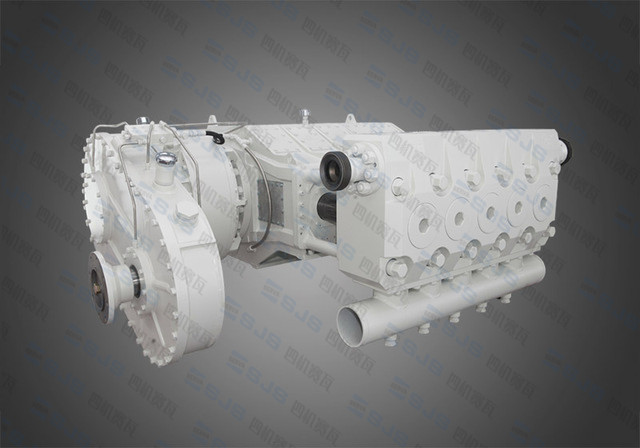
SERVA QPE 1600 Five-Cylinder Plunger Pump
The SERVA QPE 1600 is a horizontal, reciprocating, single-acting five‑cylinder plunger pump designed for continuous operation. It is suitable for conventional operations such as cementing, acidizing, and fracturing, and is particularly well suited for extended, continuous coiled‑tubing applications.
This pump achieves a single-unit power of 1,600 horsepower, filling the gap between 1,200 and 2,250 horsepower and offering greater flexibility for downhole operations.
In the North American market, a dual-pump configuration is available, with individual pump power reaching up to 3,200 horsepower and maximum operating pressure up to 20,000 PSI.
Parameter
|
Maximum brake horsepower |
1,600 bhp (192 kW) |
|
Connecting rod load |
146,000 lbf (700 kg) |
|
Stroke |
8”(203.2 mm) |
|
Gear ratio |
6.133:1 |
|
Approximately length |
1” (1 mm) |
|
Approximately wide |
1” (1 mm) |
|
Approximately high |
1” (1 mm) |
|
Weight |
4,000 Kg(900 lbs) |

Product Features
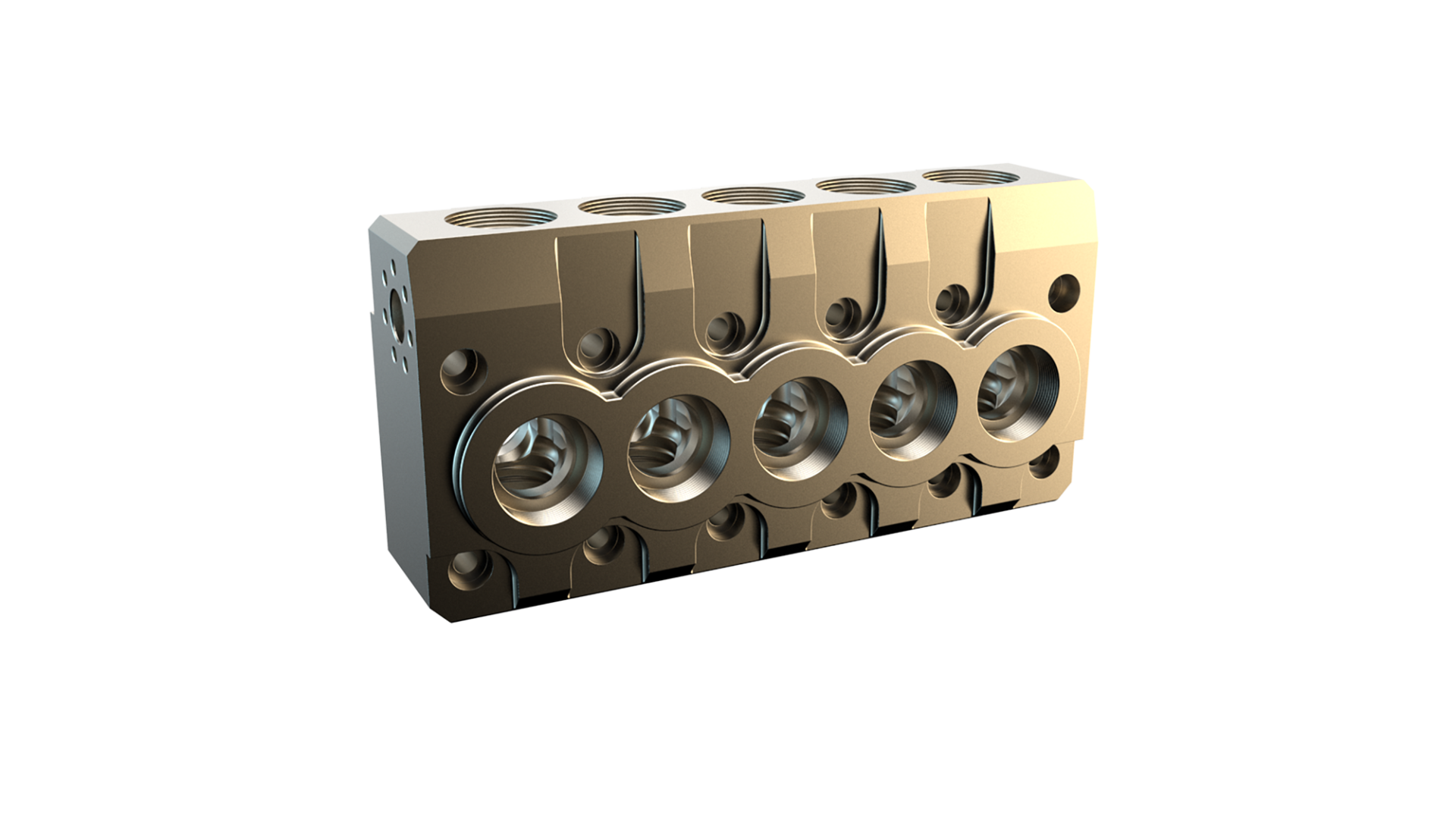
UltraLast™ stainless steel pump head body and FACET™ technology increase pump head life by 400%.
Imported packing; optional domestic high-performance packing; interchangeable with market‑standard components.
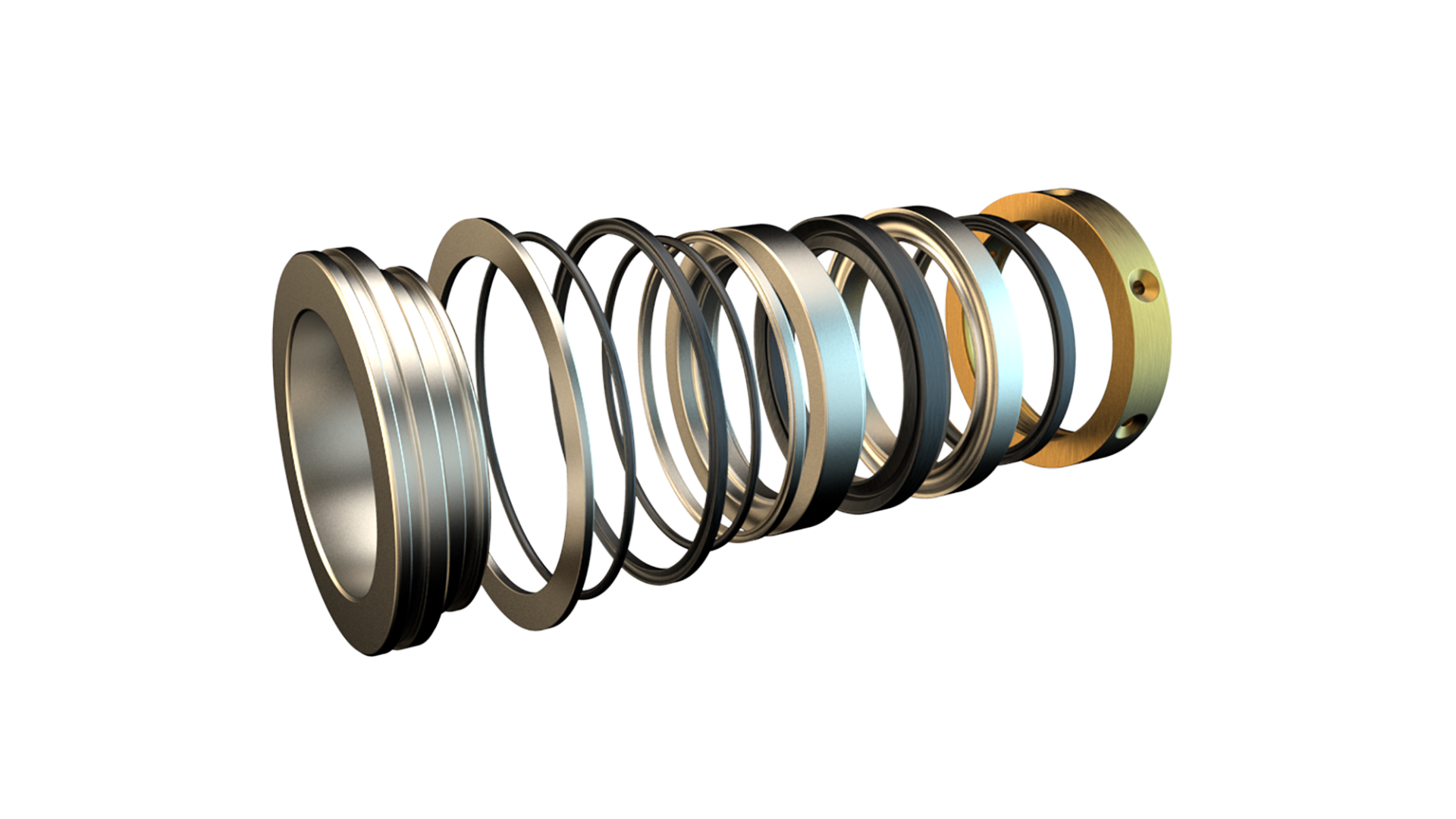
Wear parts are interchangeable with mainstream comparable products both domestically and internationally.

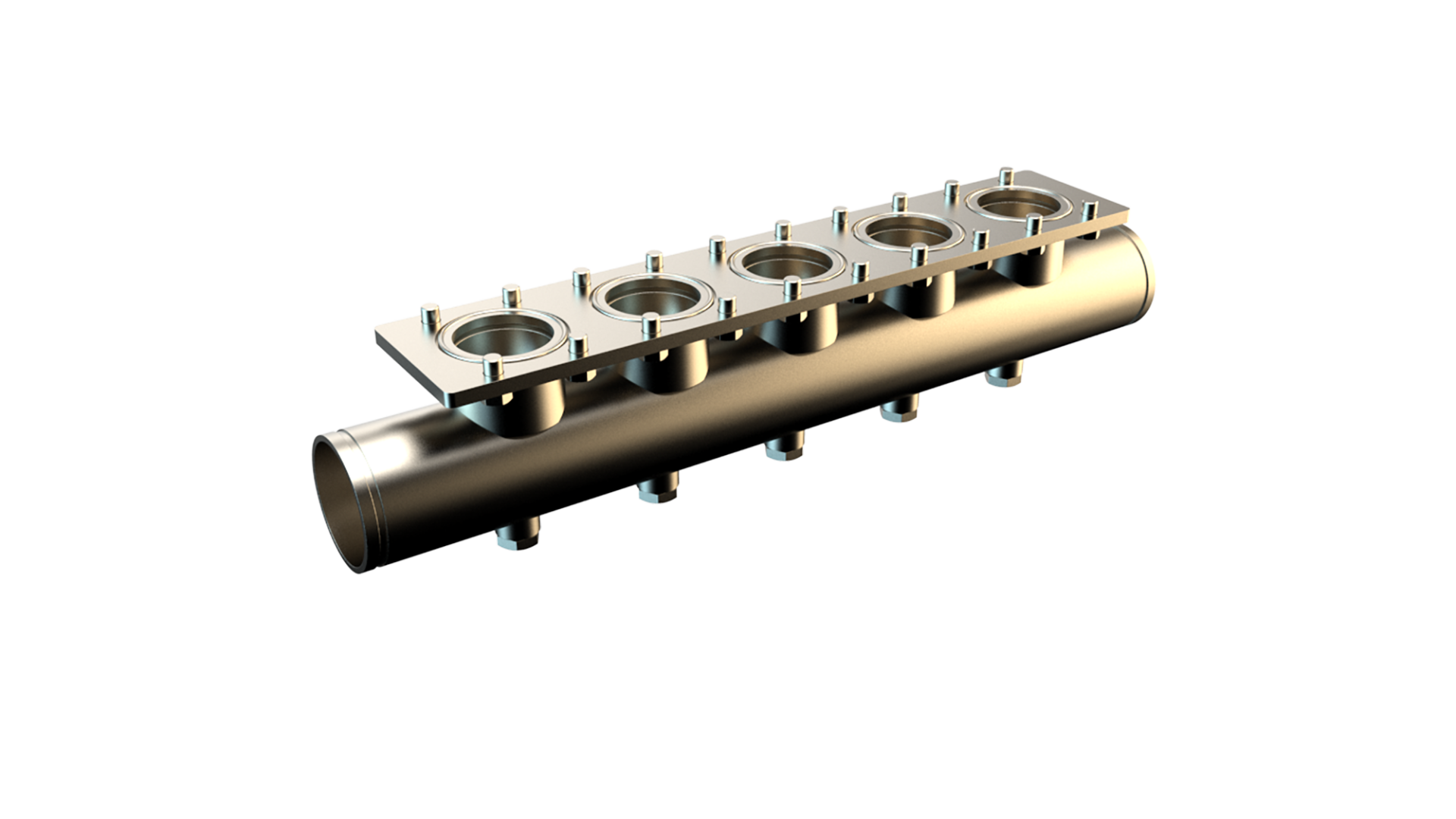
The suction and discharge connection interfaces can be customized to meet customer requirements.
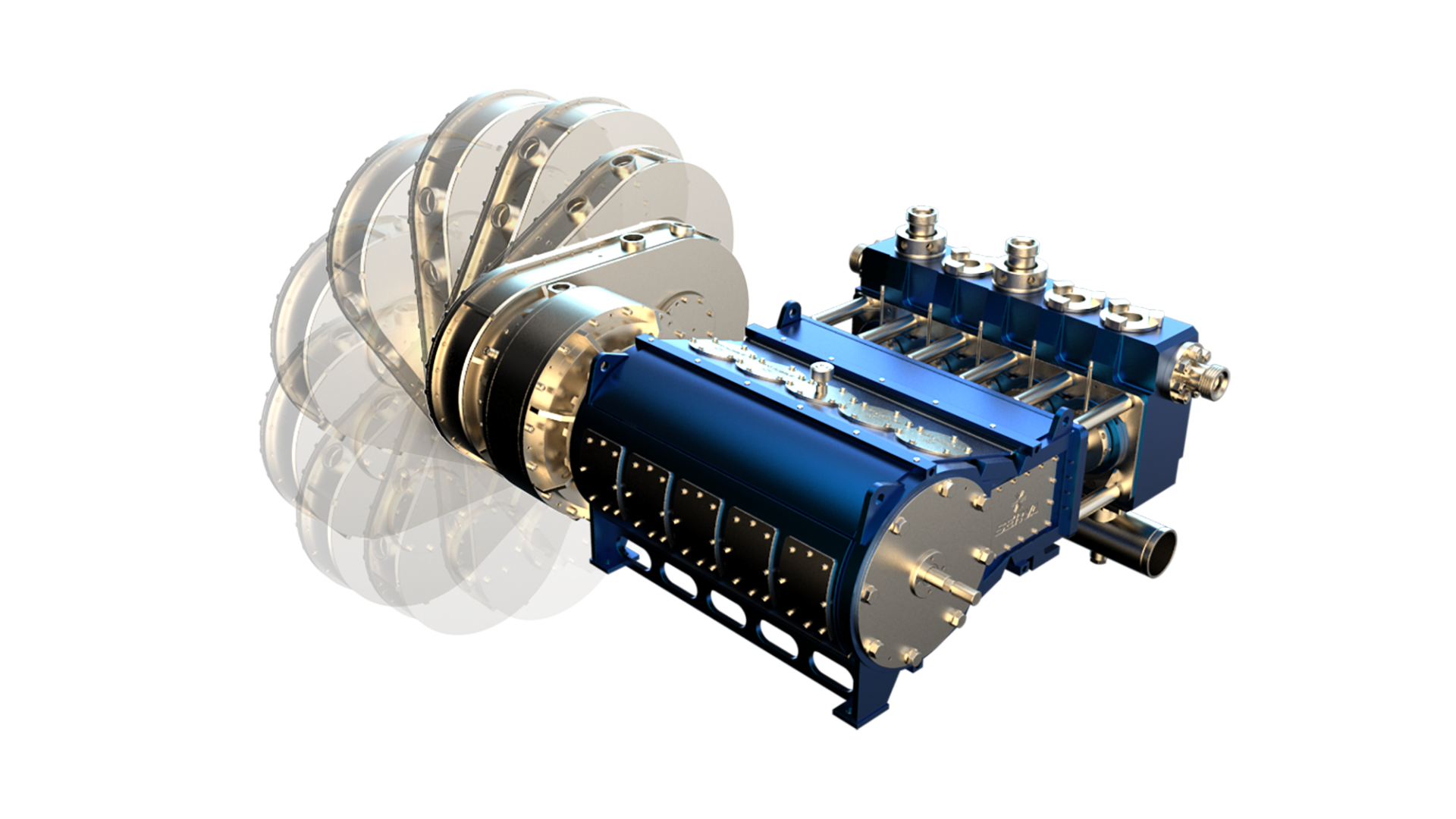
A gearbox with 12 adjustable rotation angles offers a more convenient power‑input solution.
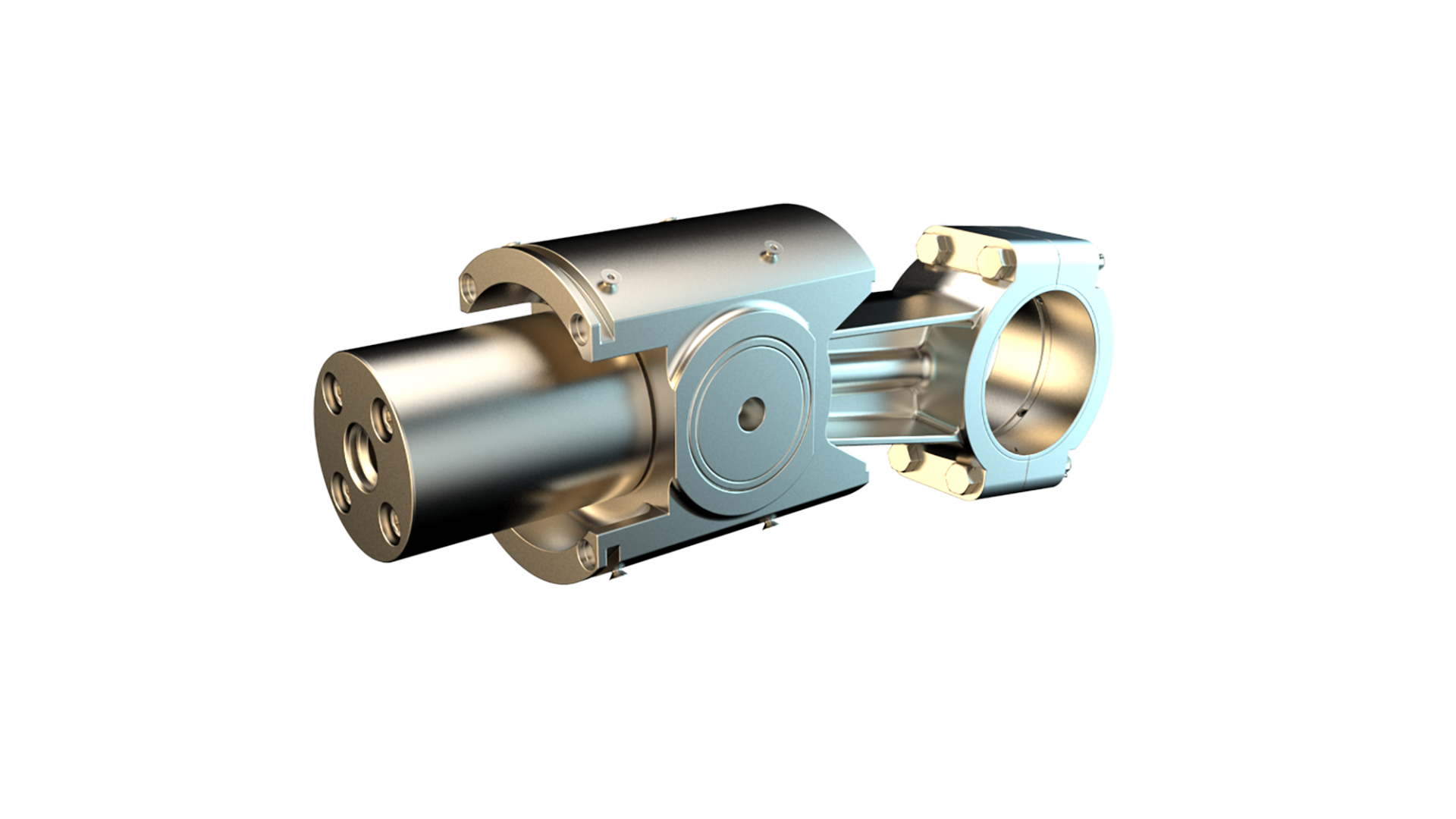
High-quality, precision crosshead and pushrod assembly ensures effective prevention of mud penetration into the power end.
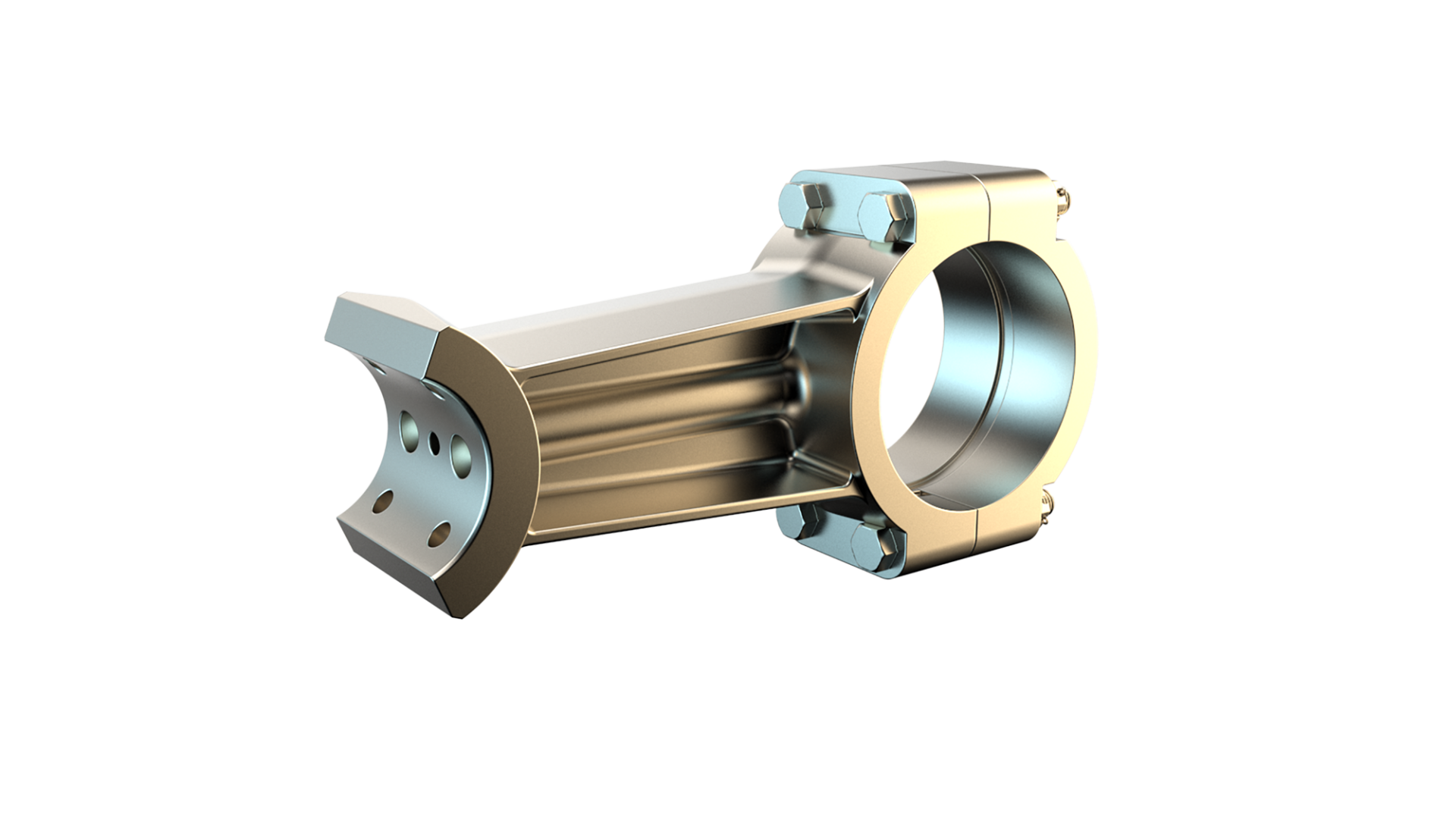
The overall strength of the forged connecting rod is 50% higher than that of a conventional connecting rod.
The improved crosshead design increases the contact area of the joint bearing by 38%, significantly extending the service life of the crosshead.